

Common Procedures
Topics on this page

Regular Exams and Cleanings
Regular exams are an important part of maintaining your child's oral health. During your child's regular exam, we will:
- Check for any problems that may not be seen or felt
-
Look for cavities or any other signs of tooth decay
- Inspect the teeth and gums for gingivitis and signs of periodontal disease
- Perform a thorough teeth cleaning
Your child's exam will take about 45 minutes. Each regular exam includes a detailed teeth cleaning, in which we will clean, polish, and rinse the teeth to remove any tartar and plaque that have built up on the tooth's surface.
Visiting our office every six months gives you the chance to talk to the doctor about any questions you may have about your child's oral health. Regular exams are offered by appointment only, so please contact our practice today to schedule your child's next dental exam and teeth cleaning.
Bonding
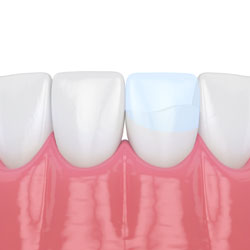 Bonding is a conservative way to repair slightly chipped, discolored, or crooked teeth. During dental bonding, a white filling is placed onto your child's tooth to improve its appearance. The filling “bonds” with the tooth, and because it comes in a variety of tooth-colored shades, it closely matches the appearance of your child's natural teeth.
Tooth bonding can also be used for fillings instead of amalgam. Many patients prefer bonded fillings because the white color is much less noticeable than silver. Bonding fillings can be used on front or back teeth, depending on the location and extent of tooth decay.
Bonding is less expensive than other cosmetic treatments and can usually be completed in one visit to our office. However, bonding can stain and is easier to break than other cosmetic treatments, such as porcelain veneers. If it does break or chip, tell your doctor. The bonding can generally be easily patched or repaired in one visit.
Crowns
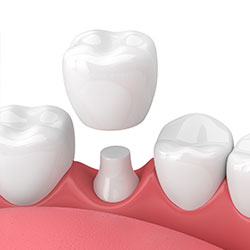
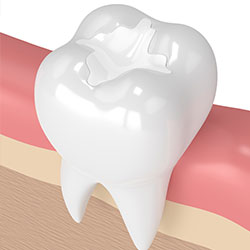 Crowns are a restorative procedure used to improve a tooth’s shape or to strengthen a tooth. Crowns are most often used for teeth that are broken, worn, or have portions destroyed by tooth decay.
A crown is a “cap” cemented onto an existing tooth that usually covers the portion of the tooth above the gum line. In effect, the crown becomes the tooth’s new outer surface. Crowns can be made of porcelain, metal, or both. Porcelain crowns are most often preferred because they mimic the translucency of natural teeth and are very strong.
Crowns or onlays (partial crowns) are needed when there is insufficient tooth strength remaining to hold a filling. Unlike fillings, which apply the restorative material directly into the mouth, a crown is fabricated away from the mouth. A crown is created in a lab from your child's unique tooth impression, which allows a dental laboratory technician to examine all aspects of your child's bite and jaw movements. The crown is then sculpted just for your child so that his or her bite and jaw movements function normally once the crown is placed.
Extractions
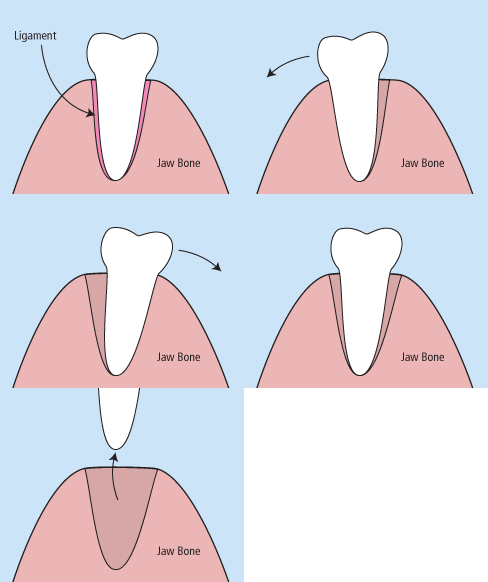 There are times when it is necessary to remove a tooth. Sometimes a baby tooth has misshapen or long roots that prevent it from falling out as it should, and the tooth must be removed to make way for the permanent tooth to erupt. At other times, a tooth may have so much decay that it puts the surrounding teeth at risk of decay, so the doctor may recommend its removal. Infection, orthodontic correction, or problems with a wisdom tooth can also require removal of a tooth.
When it is determined that a tooth needs to be removed, your child's dentist may extract the tooth during a regular checkup or may request another visit for this procedure. The root of each tooth is encased within the jawbone in a “tooth socket”, and the tooth is held in that socket by a ligament. In order to extract a tooth, the dentist must expand the socket and separate the tooth from the ligament holding it in place. While this procedure is typically very quick, it is important to share with the doctor any concerns or preferences for sedation.
Fillings
 Traditional dental restoratives, or fillings, may include gold, porcelain, or composite. Newer dental fillings include ceramic and plastic compounds that mimic the appearance of natural teeth. These compounds, often called composite resins, are typically used on the front teeth where a natural appearance is important. There are two different kinds of fillings: direct and indirect. Direct fillings are fillings placed directly into a prepared cavity in a single visit. Indirect fillings generally require two or more visits. These fillings include inlays, and veneers fabricated with ceramics or composites.
Fluoride
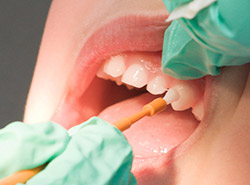 Fluoride is effective in preventing cavities and tooth decay and in preventing plaque from building up and hardening on the tooth’s surface. A fluoride treatment in a dentist’s office takes just a few minutes. After the treatment, your child may be asked not to rinse, eat, or drink for at least 30 minutes in order to allow the teeth to absorb the fluoride. Depending on your child's oral health or the doctor’s recommendation, a fluoride treatment may be required every three, six, or 12 months.
Mouthguards
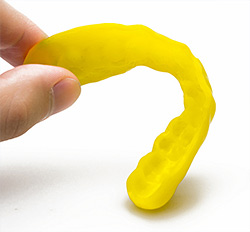 Whether your child wears braces or not, protecting his or her smile while playing sports is essential. Mouthguards help protect the teeth and gums from injury. If your child participates in any kind of full-contact sport, the American Dental Association recommends that he or she wear a mouthguard. Choosing the right mouthguard is essential. There are three basic types of mouthguards: the pre-made mouthguard, the “boil-and-bite” fitted mouthguard, and a custom-made mouthguard from the dentist. When you choose a mouthguard, be sure to pick one that is tear-resistant, comfortable and well-fitted for your mouth, easy to keep clean, and does not prevent your child from breathing properly. Your dentist can show your child how to wear a mouthguard properly and how to choose the right mouthguard to protect his or her smile.
Nightguards
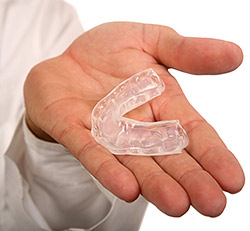 If your child often wakes up with jaw pain, earaches, or headaches, or if you see your child clenching or grinding his or her teeth, your child may have a common condition called “bruxism”. Many people do not even know that they grind their teeth, as it often occurs when one is sleeping. If not corrected, bruxism can lead to broken teeth, cracked teeth, or even tooth loss.
There is an easy, non-invasive treatment for bruxism: nightguards. Nightguards are an easy way to prevent the wear and damage that teeth-grinding causes over time. Custom-made by a dentist from soft material to fit the teeth, a nightguard is inserted over your child's top or bottom arch and prevents contact with the opposing teeth.
Pulpotomy or Pulpectomy (Nerve Treatment)
When the nerve of a primary tooth becomes infected or abscessed, a pulpotomy or pulpectomy is necessary to save the tooth.
During a pulpotomy the infected part of the nerve is removed and a sedative medication is placed inside the tooth to prevent sensitivity and to promote healing.
A pulpectomy requires the total removal of the nerve. (In permanent teeth this is referred to as Root Canal Therapy).
A tooth may become abscessed from deep decay, a cracked or broken tooth, or trauma. The only alternative to Pulp Therapy is an extraction.
After the primary tooth has undergone Pulp Therapy it is more brittle and must be crowned to give the tooth strength for chewing pressure. Brush and floss the tooth the same as the other teeth and visit our offices at Children's Dentistry & Orthodontics for your child's routine preventive check-ups every 6 months.
Sealants
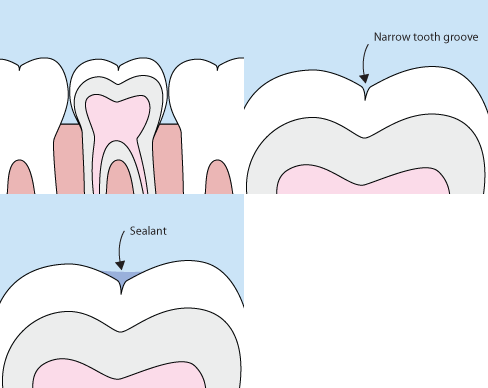 Sometimes brushing is not enough, especially when it comes to those hard-to-reach spots in your child's mouth. It is difficult for a toothbrush to get in between the small cracks and grooves on your child's teeth. If left alone, those tiny areas can develop tooth decay. Sealants give your child's teeth extra protection against decay and help prevent cavities.
Dental sealants are a plastic resin that bonds and hardens in the deep grooves on your child's tooth’s surface. When a tooth is sealed, the tiny grooves become smooth and are less likely to harbor plaque. With sealants, brushing your child's teeth becomes easier and more effective against tooth decay.
Sealants are typically applied to children’s teeth as a preventive measure against tooth decay after the permanent teeth have erupted. It is more common to seal “permanent” teeth rather than “baby” teeth, but every patient has unique needs, and your child's dentist will recommend sealants on a case-by-case basis.
Sealants last from three to five years, but it is fairly common to see adults with sealants still intact from their childhood. A dental sealant only provides protection when it is fully intact, so if your child's sealants come off, let your dentist know, and schedule an appointment for your child's teeth to be re-sealed.
Wisdom Teeth
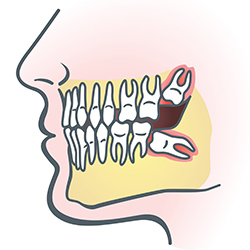 Wisdom teeth are types of molars found in the very back of your child's mouth. These teeth usually appear in late teens or early twenties, but they may become impacted (fail to erupt) due to lack of room in the jaw or angle of entry. When a wisdom tooth is impacted, it may need to be removed. If it is not removed, your child may develop gum tenderness, swelling, or even severe pain. Impacted wisdom teeth that are partially or fully erupted tend to be quite difficult to clean and are susceptible to tooth decay, recurring infections, and even gum disease.
Wisdom teeth are typically removed in the late teens or early twenties because there is a greater chance that the tooth's roots have not fully formed and the bone surrounding the teeth is less dense. These two factors can make extraction easier as well as shorten the recovery time.
tooth so that each piece can be removed through a small opening in the bone. Once your child's wisdom teeth have been extracted, the healing process begins. Depending on the degree of difficulty related to the extraction, healing time varies. The oral surgeon will share with you what to expect and provide instructions for a comfortable, efficient healing process.Silver Diamine Fluoride 38% - Clinical Use
Facts for consideration:
-
Silver Diamine Fluoride (SDF) is an Antibiotic liquid.
Benefits of SDF:
-
SDF on cavities to help slow the tooth decay.
-
Kills pathogenic organisms.
-
Hardens softened dentin making it more acid and abrasion resistant.
-
Does not stain sound dentin or enamel.
-
Can provide important clinical feedback due to its potential to stain visible or hidden lesions.
-
SDF can help relieve sensitivity.
Silver Diamine Fluoride is appropriate for...
-
Patients with high-risk sites
-
Treatment challenged by behavioral or medical management.
-
Patients with carious lesions that may not all be treated in one visit.
-
Difficult to treat dental carious lesions.
-
Hypoplastic Molars
-
Special need patients
Risks related to SDF include, but are not limited to:
-
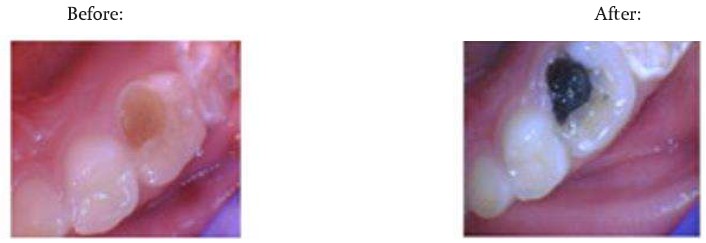
The affected area will stain black permanently. Healthy tooth structure will not stain.
-
Stained tooth structure can be replaced with a filling or crown.
-
If accidentally applied to skin or gums, a brown or white stain may appear that causes no harm, cannot be washed off and will disappear in 1-3 weeks.
-
You may notice a metallic taste. This will go away rapidly.
SDF application schedule:
- First application
- Second application: 2 weeks after the first one
- Repeat every 3 months.
Important facts to remember:
-
For the optimal effects of SDF parent and patient should adhere to any dietary recommendations provided by the practitioner and thorough oral hygiene regimen
-
If tooth decay is not arrested, the decay will progress. In that case the tooth will require further treatment, such as repeated SDF treatments, a filling or crown, root canal treatment or extraction.
-
Treatment with SDF does not eliminate the need for dental fillings or crowns to repair the function or esthetics.
Alternatives to SDF, not limited to the following:
-
No treatment, which may lead to continued deterioration of tooth structures and cosmetic appearance. Symptoms may increase in severity.
-
Depending on the location and extent of tooth decay, other treatment may include placement of fluoride varnish, a filling or crown, extraction, or referral for advanced treatment modalities.
 Website Powered by Sesame 24-7™